Denmark

Current Perspectives on Atmosphere: Conversations Across Disciplines | Architecture

The interview series approaches atmosphere as a phenomenon shaped at the intersection of different disciplines, bringing together the sensory, material, and affective qualities of space, and explores how the concept can be reconsidered through different methods. In the second interview, Serkan Can Hatıpoğlu discusses the concept of atmosphere with Federico De Matteis, this time from the perspective of architecture.

https://xxi.com.tr/en/opinion/interview/current-perspectives-on-atmosphere-conversations-across-disciplines-architecture

From Density to Intensity: Urban Materialities and the Spatiality of Feelings

In an almost legendary lecture held in 1928 at the first CIAM – Congrès Internationaux d’Architecture Moderne – held in La Sarraz, Switzerland, German architect Walter Gropius, founder of the Bauhaus, the first modern school of architecture and pioneer of rationalism in urban design, presented a seminal image, which would influence the development of global cities for decades to come.

Through a diagram endowed with a crystalline clarity, the architect expressed the value of urban density in the design of the modern city. By simplifying the space of a residential development to a linear sectional scheme, Gropius was extending the paradigm of the exact sciences to a field, that of planning, that had hitherto been governed by spontaneous growth or the artistic intuition of design. Yet in the age of “Neues Bauen” – new building, as the German architects liked to consider the architecture they were introducing to the European city – it was necessary to adopt rational tools for the control of urban space. Density was the foremost indicator, basically tabulating how much usable surface was being built for each unit of land developed.

Read More »
Ridisegnare le mappe: territori del cambiamento climatico

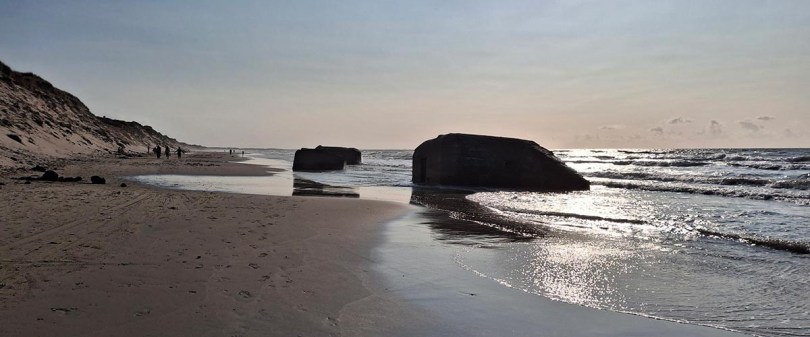
Un compito che ci potremmo porre, consiste nel descrivere, oltre lo stato dell’arte delle politiche orientate a adattare i territori al cambiamento climatico, ipotetici tracciati futuri. Di norma, quando si tenta di predire il futuro si incappa in errori, anche grossolani: si potrebbe facilmente argomentare che le scarse capacità di previsione dei pur più accorti futurologi siano la causa prima dell’attuale condizione di crisi generalizzata – se i futurologi avessero fatto previsioni più accurate, oggi a ogni buon conto questi problemi non si sarebbero presentati affatto.

Read More »